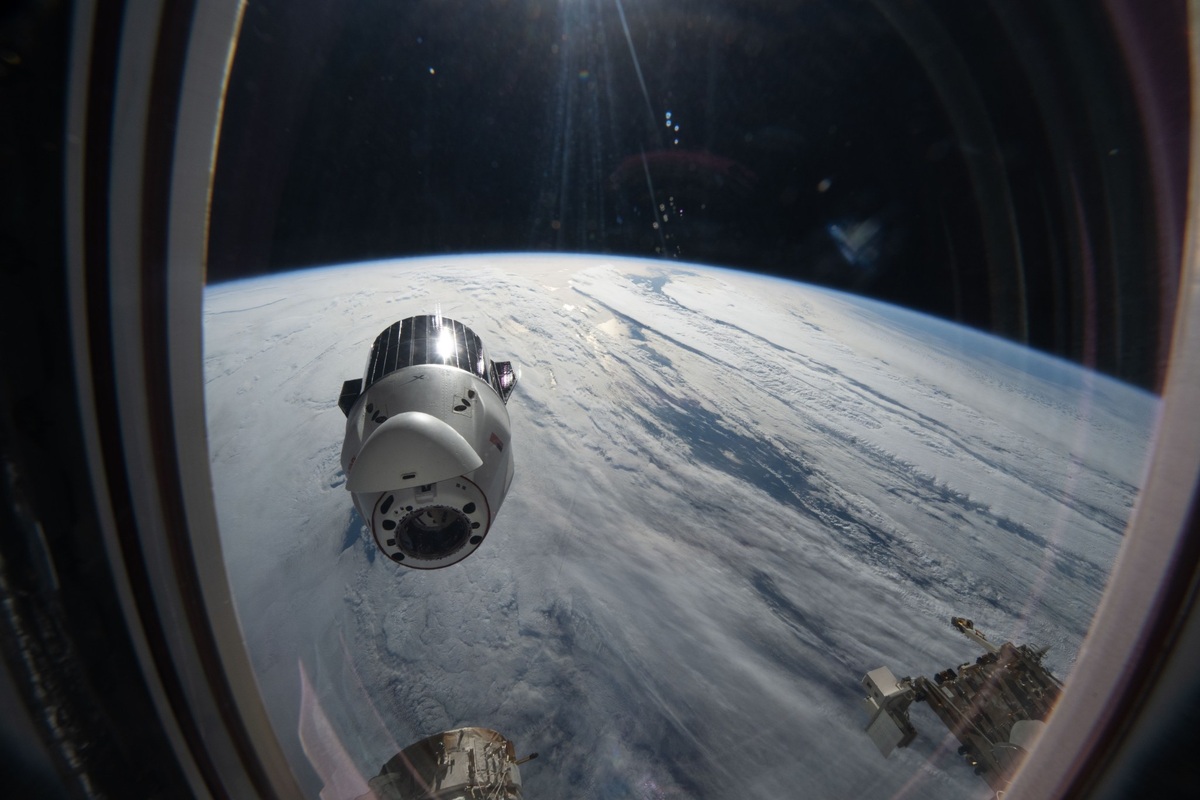
SpaceX is preparing to bring cancer research samples and a 3D-bioprinted blood-vessel construct back from the International Space Station, returning experiments that scientists will examine in laboratories on Earth.
NASA scheduled Dragon’s departure for no earlier than November 18, with undocking targeted for 11:05 a.m. Eastern, or 16:05 UTC. Recovery off California is planned for no earlier than 06:50 UTC on November 19, subject to weather.
What is coming back
The returning cargo includes frozen tumor organoids treated aboard the station and a bioprinted blood-vessel construct used to investigate vascular aging and cardiovascular disease. Frozen microbial samples will support research into how antibiotic-resistant bacteria survive and adapt in space.
Those samples are research material, with their significance dependent on analysis after recovery. The return connects experiments conducted in microgravity with the equipment and follow-up work available in ground laboratories.
A mission built around biomedical experiments
The flight is NASA’s 35th SpaceX commercial resupply mission. At its October launch, the ISS National Laboratory outlined more than two dozen sponsored payloads spanning biomedical research, fundamental science and student projects.
Among the studies sent up was Wake Forest research using organoids made from patient-donated colorectal cancer cells to examine chemotherapy responses. Another project, from Cedars-Sinai, aimed to create more realistic models of heart tissue and investigate how cancer therapies can affect cardiac function.
The National Stem Cell Foundation also sent neural organoid research focused on inflammation associated with neurodegenerative disease. These were distinct investigations with their own aims, rather than a single experiment expected to produce one medical result.
Weather will determine the return timetable
Dragon is carrying thousands of pounds of return cargo. It arrived at the station on October 15 after launching two days earlier from Florida on a Falcon 9.
NASA plans live coverage of undocking from 10:45 a.m. Eastern on November 18. It will not broadcast splashdown, but will publish recovery updates on its space station blog. The departure and recovery targets may change as teams assess conditions in the landing area.