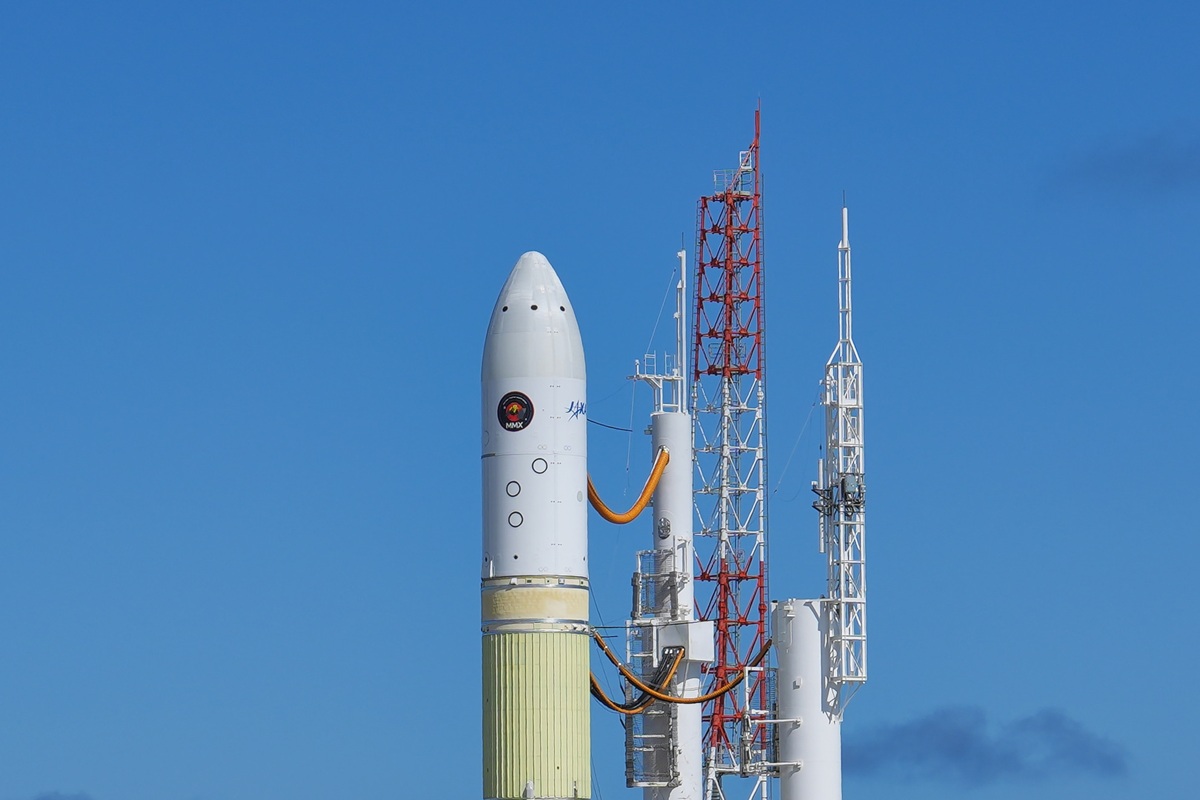
Japan is moving responsibility for a key version of its H3 rocket from the national space agency to Mitsubishi Heavy Industries, giving the manufacturer a larger role in operating the country’s flagship launcher.
JAXA announced the agreement on November 20. It initially covers the H3 22 configuration using LE-9 Type1A engines: a vehicle with two liquid-fueled first-stage engines and two solid rocket boosters.
A change in who operates the launch
Mitsubishi has already been providing H3 launch transportation services from Flight 4, with an exception for the experimental Flight 6. Until now, however, JAXA has remained the launch operator under Japan’s space activities law.
Under the new arrangement, Mitsubishi will take on both roles for the specified configuration. The handover therefore changes the formal responsibility for conducting launches, building on the company’s existing manufacturing and service business.
The next mission targets January
Mitsubishi separately set a January 11, 2027 target for H3 Flight 11 from Tanegashima Space Center. The planned window runs from 8 a.m. to 10 a.m. Japan Standard Time, with backup opportunities extending through February 28.
The rocket will carry a Japanese government information-gathering satellite. Mitsubishi’s announcement confirms that the company will conduct the launch and handle future missions using this engine and booster configuration.
JAXA retains a development role
The transfer will expand to other H3 configurations and vehicles using the newer LE-9 Type2 engine through further discussions. JAXA will continue developing that engine and improving the rocket’s performance and operations.
H3 was developed as the successor to H-IIA to preserve Japan’s independent access to space. The phased handover brings its commercial operations more directly under Mitsubishi while leaving further technology development with the agency.