NASA’s Curiosity Crushed a Mars Rock – and Exposed a Sulfur Surprise
A rock accidentally broken by Curiosity in 2024 revealed pure sulfur on Mars. Later research points to ancient underground gases and a remarkably well-preserved deposit.
Follow the vehicles and missions carrying people and payloads beyond Earth. SpaceWitness covers rocket launches, spacecraft testing, human spaceflight and exploration, distinguishing planned capabilities from demonstrated results. Find updates on mission progress, recovery tests and the engineering challenges behind each flight.
A rock accidentally broken by Curiosity in 2024 revealed pure sulfur on Mars. Later research points to ancient underground gases and a remarkably well-preserved deposit.
A dedicated launch targeted for early 2029 will carry rack-scale computing satellites as Google tests whether solar-powered AI infrastructure can work in orbit.
The phased handover begins with an H3 configuration using two main engines and two boosters, as Mitsubishi targets its next launch for January 11, 2027.
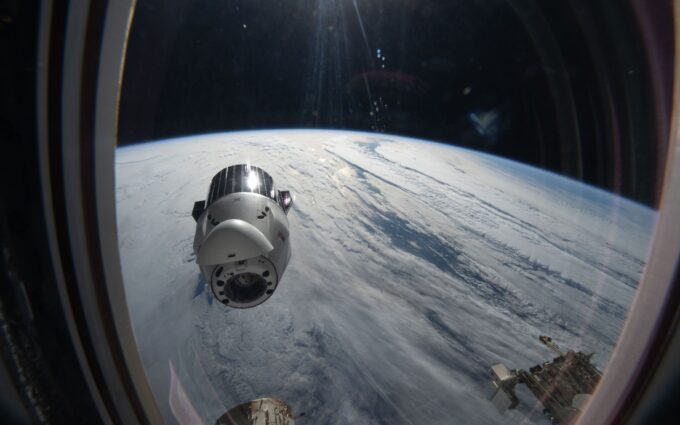
Dragon’s next cargo return will bring tumor organoids, a bioprinted blood-vessel construct and microbial samples to scientists on Earth, pending weather conditions.
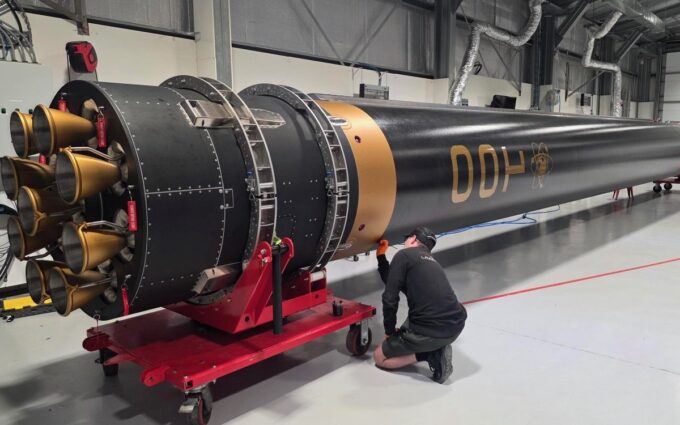
Electron delivered iQPS’s YAMATSUMI-II to orbit as Rocket Lab reached a century of launches, a tally that also includes its suborbital HASTE missions.
ULA lost its first Vulcan mission for Amazon, dealing a setback to the Starlink rival’s deployment plans and a rocket central to US military launches.
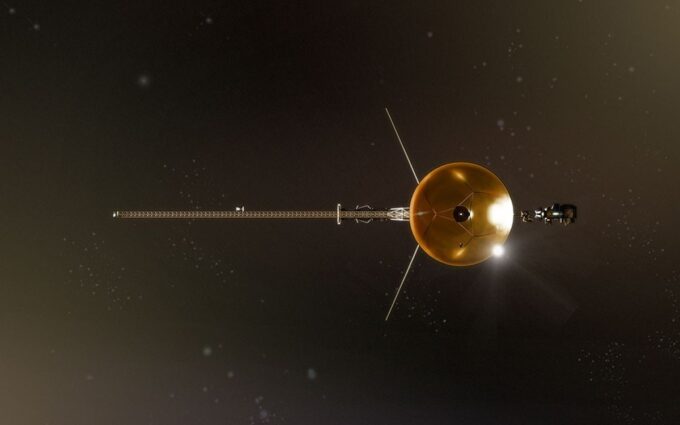
NASA’s farthest spacecraft will reach the distance on November 18. Radio signals will take 24 hours each way as engineers stretch its dwindling power supply.
Ship 42 returned to Starbase after more than 22 hours in flight, marking the first orbital catch of a Starship upper stage. The booster was lost.