Astronomy
Amateur Astronomers Use OpenAI’s Astra and Codex to Hunt New Planets
AI-assisted searches of public telescope data have produced promising signals for professional follow-up, rather than confirmed planetary discoveries.
Articles and reference material from the SpaceWitness editorial desk.
AI-assisted searches of public telescope data have produced promising signals for professional follow-up, rather than confirmed planetary discoveries.
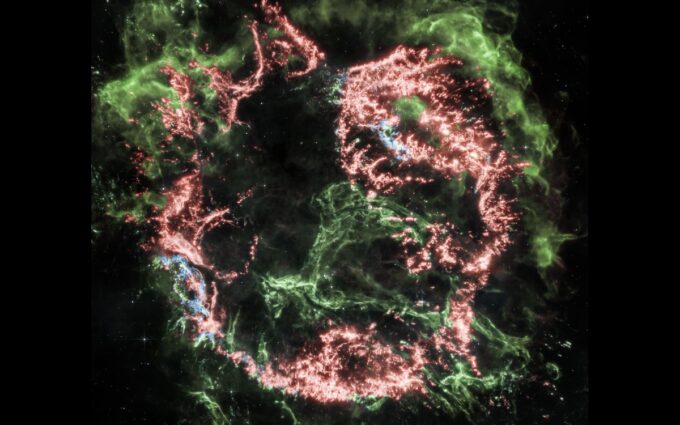
A new chemical map of the supernova remnant supports the idea that layers inside its original star mixed shortly before the explosion.
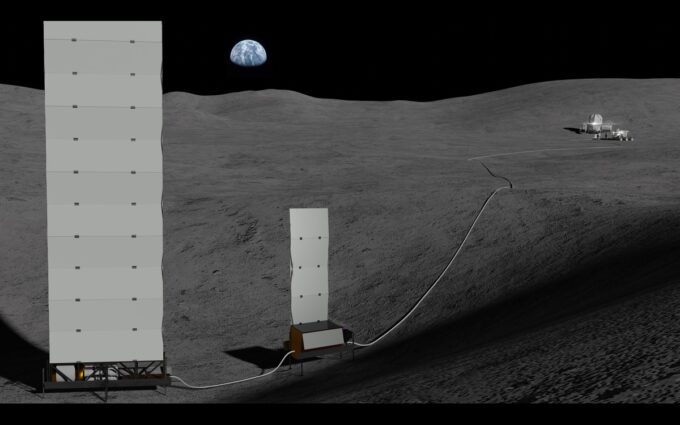
Lunar Reactor-1 is designed to supply 20 kilowatts through the long lunar night. NASA wants it launch-ready by 2030 and operating for at least five years after deployment.
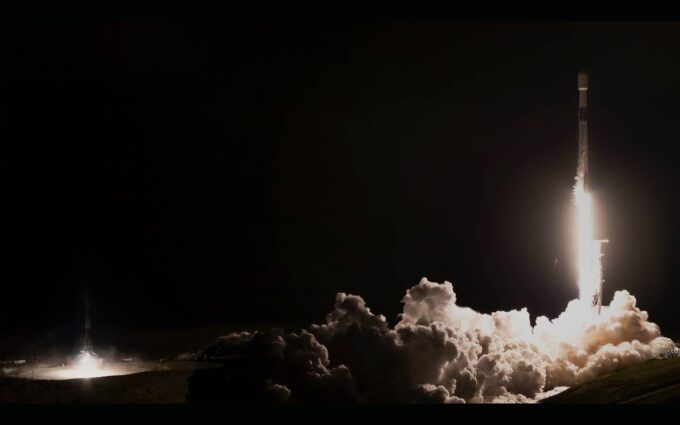
A Falcon 9 carried reconnaissance satellites from Vandenberg just 32 hours after another national-security launch, then returned its first-stage booster to land.
Arianespace halted the countdown before launch operations began. The rocket and satellites are safe, with the next opportunity no earlier than November 24.
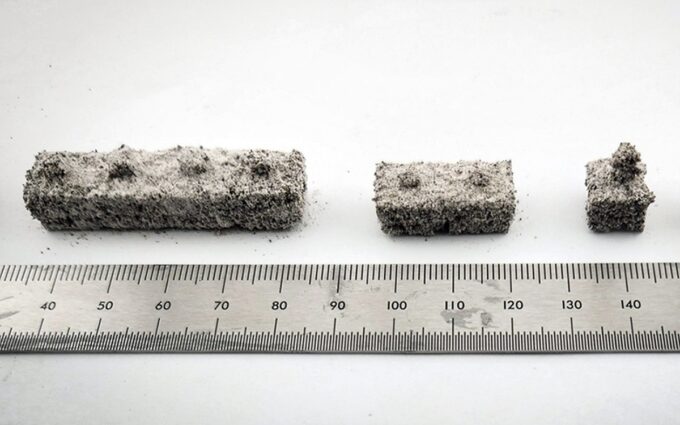
A binder-free printing experiment points toward making lunar construction materials locally, but its small, porous blocks still need to become stronger.
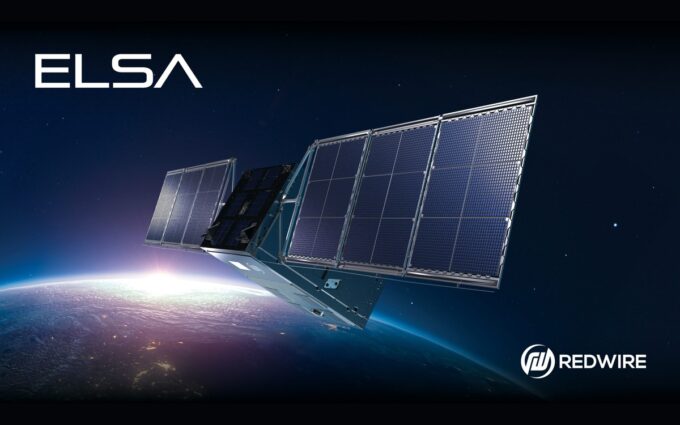
The ELSA wings are designed to pack more generating capacity into a smaller launch volume as AscendArc develops mass-produced geostationary communications satellites.
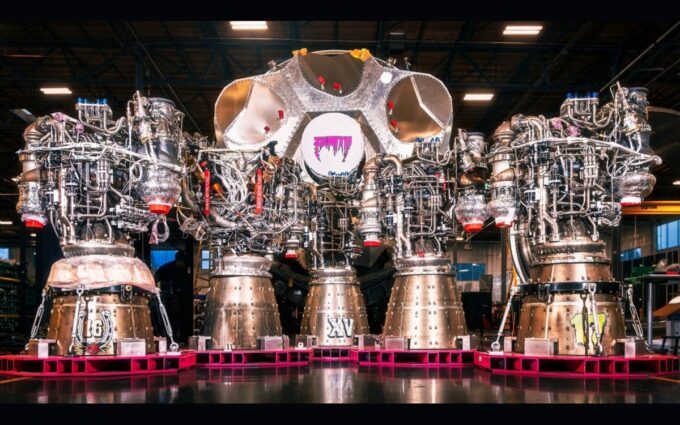
Flight engines are heading to Cape Canaveral for integration with Nova Pathfinder’s first stage, as Stoke targets an initial orbital mission in early 2027.
The second-phase contract advances a lunar-orbit mission for an unnamed North American customer, with delivery targeted for late 2027.