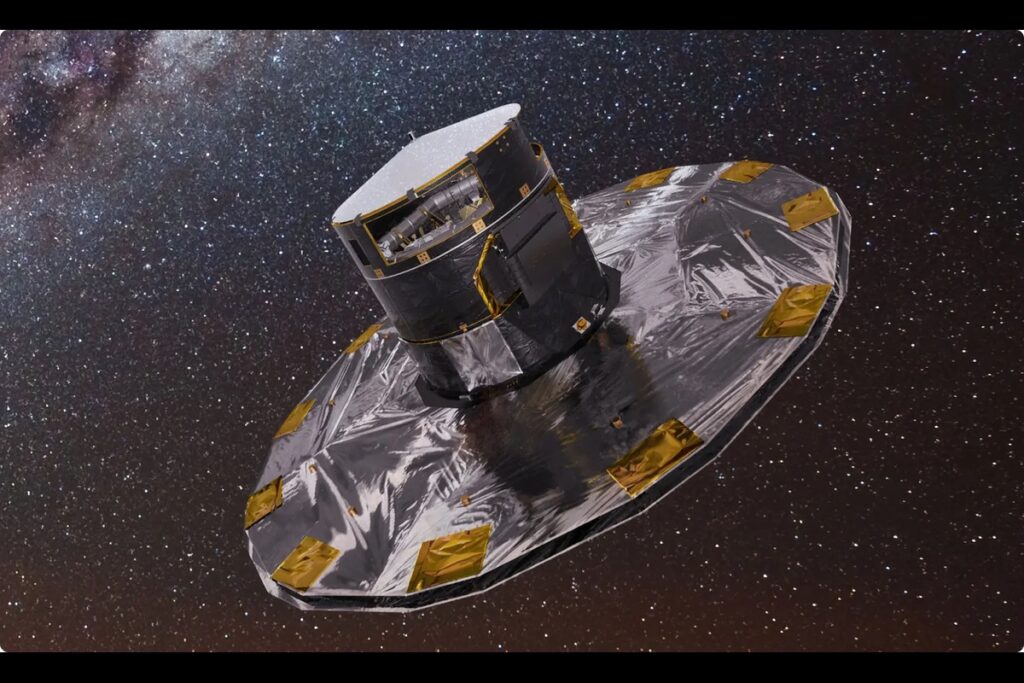
ESA Prepares Gaia’s Biggest Data Release: 1.5 Trillion Observations
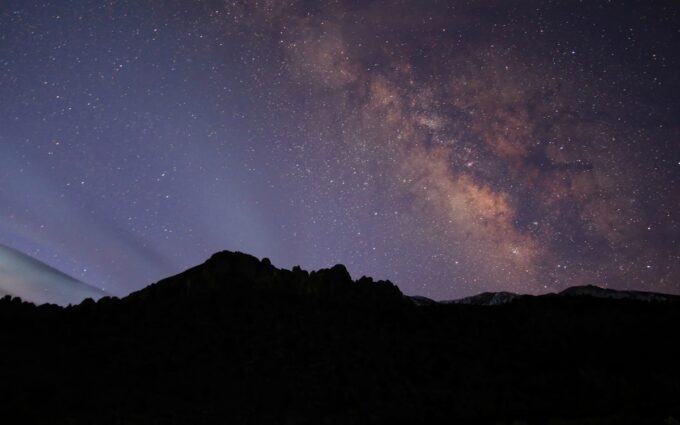
Gaia’s next catalog is scheduled to open December 2, bringing 66 months of observations and a vastly expanded archive for studying the Milky Way.
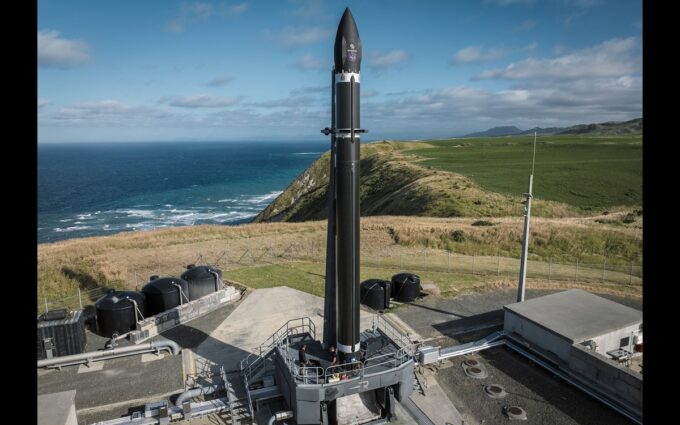
The Night Owls Never Sleep mission delivered another StriX spacecraft to orbit as Synspective expands its radar-imaging fleet and adds launch options.
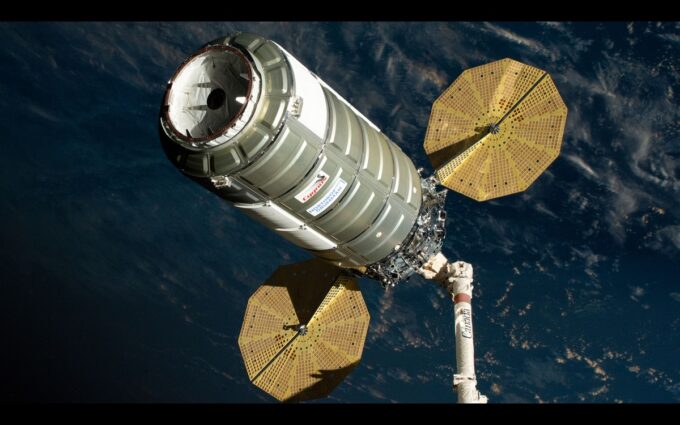
Cygnus XL is scheduled to launch November 29 with 11,000 pounds of cargo, including a prototype growing chamber and equipment to sustain tiny human brain-tissue models.
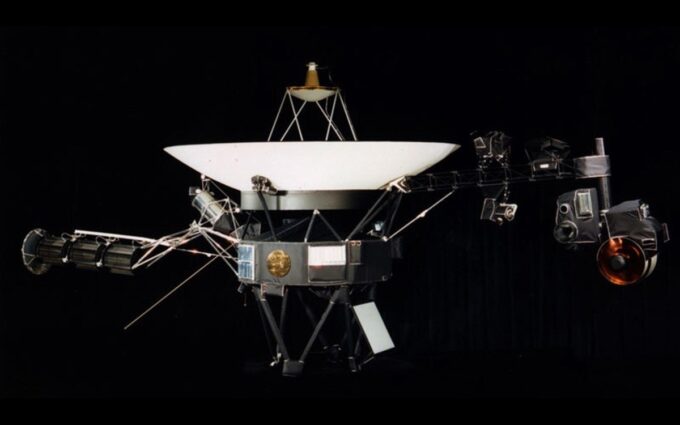
NASA still receives Voyager 1’s radio carrier, but science and engineering data have stopped. A roughly 48-hour round trip for signals makes diagnosing the fault a slow process.
Follow SpaceWitness in your favorite feed reader.
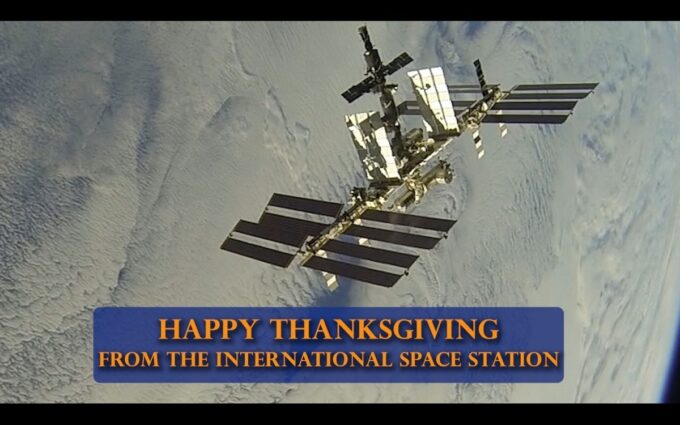
ISS astronauts are celebrating Thanksgiving with turkey, familiar sides and plants grown in orbit, offering a taste of the research behind future Moon and Mars menus.
Musk links SpaceX’s distant potential to multiplanetary life and solar energy. The energy scale is enormous, while the valuation remains a speculative claim.
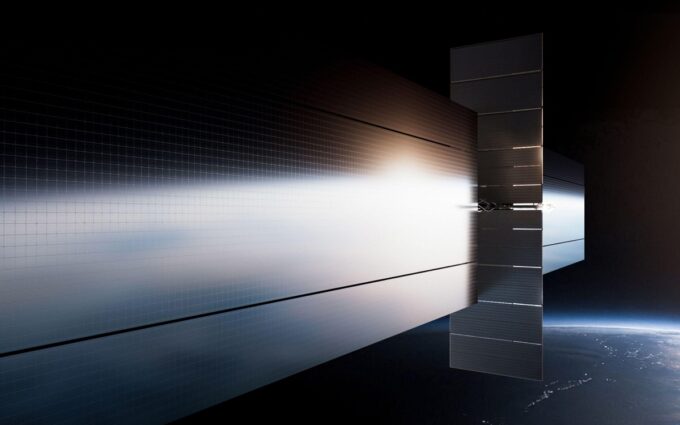
The Starmind approval opens a path to orbital AI computing, with deployment milestones through 2040 and further debris requirements for satellites above 600 km.
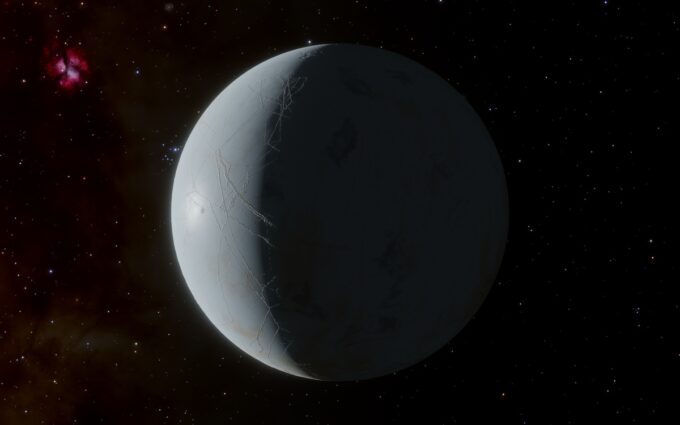
Simulations suggest a distant Planet X2 could explain unusual icy-body orbits. The proposed world remains unobserved, and Rubin Observatory could help test the idea.
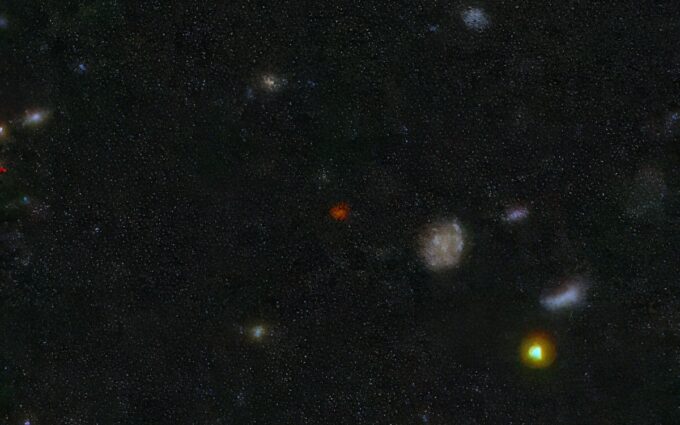
Seen just 630 million years after the Big Bang, the quasar pushes the observational record back by about 40 million years and deepens a black-hole growth puzzle.
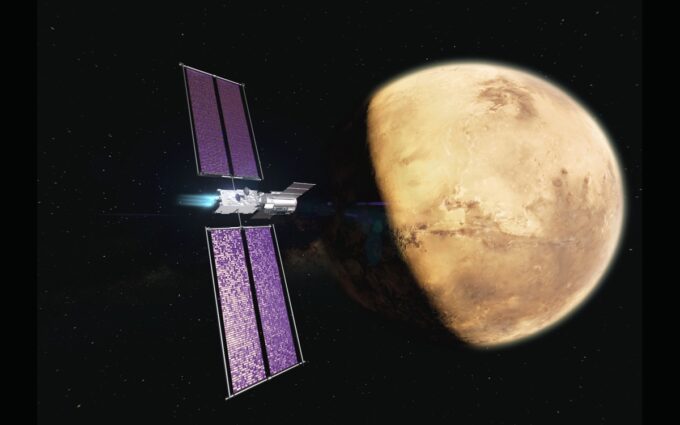
SR-1 Freedom targets a 2028 launch to test nuclear electric propulsion and deliver three helicopters to Mars. NASA has now settled key design choices.
DragonCam will connect panoramic views of Titan’s landscape with microscopic images of sampling sites as the rotorcraft prepares for a planned 2028 launch.
Muhammad Zeeshan Ali will fly with Tang Hongbo and Wu Yi on Shenzhou-24, scheduled for November 25, in a milestone for China-Pakistan space cooperation.
AI-assisted searches of public telescope data have produced promising signals for professional follow-up, rather than confirmed planetary discoveries.