Musk Says SpaceX Could Be Worth a Million Times Today’s Global Economy
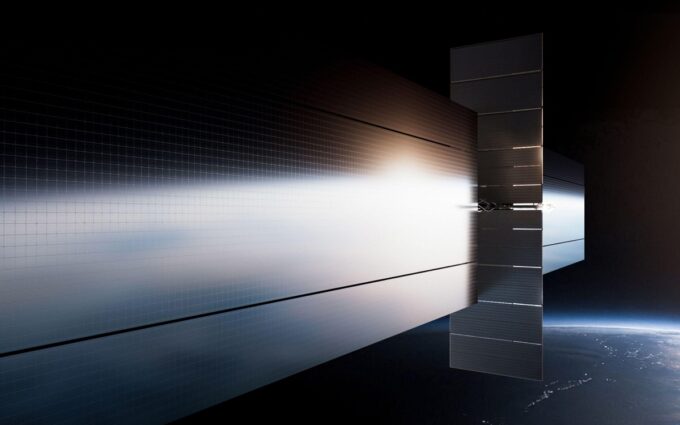
Musk links SpaceX’s distant potential to multiplanetary life and solar energy. The energy scale is enormous, while the valuation remains a speculative claim.
Explore the technology and infrastructure that make space operations possible. Coverage includes propulsion, spacecraft systems, robotics, launch facilities, manufacturing and services in orbit. We explain technical developments through their intended uses, test results and the practical work still needed before deployment.
Musk links SpaceX’s distant potential to multiplanetary life and solar energy. The energy scale is enormous, while the valuation remains a speculative claim.
DragonCam will connect panoramic views of Titan’s landscape with microscopic images of sampling sites as the rotorcraft prepares for a planned 2028 launch.
AI-assisted searches of public telescope data have produced promising signals for professional follow-up, rather than confirmed planetary discoveries.
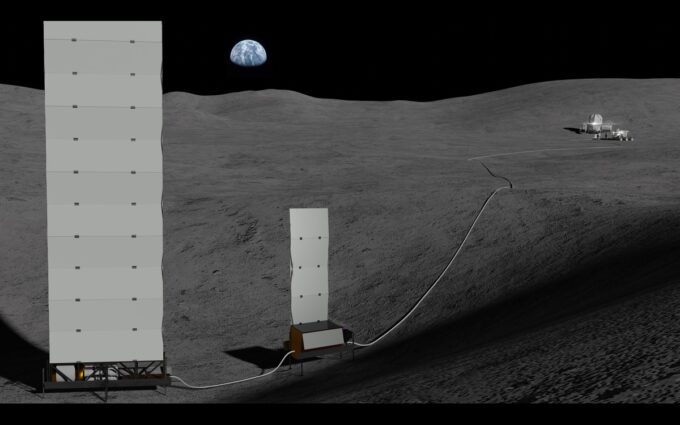
Lunar Reactor-1 is designed to supply 20 kilowatts through the long lunar night. NASA wants it launch-ready by 2030 and operating for at least five years after deployment.
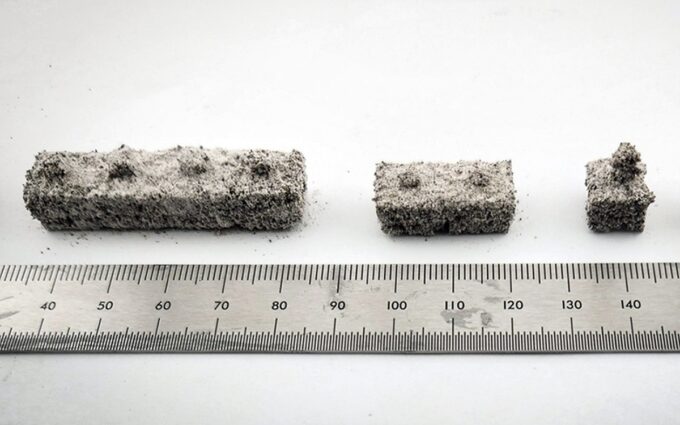
A binder-free printing experiment points toward making lunar construction materials locally, but its small, porous blocks still need to become stronger.
Apollo and Goldman Sachs priced a record-size financing package for Nvidia Vera Rubin hardware, with SpaceX’s equipment leases expected to begin in the first half of 2027.
A dedicated launch targeted for early 2029 will carry rack-scale computing satellites as Google tests whether solar-powered AI infrastructure can work in orbit.